
What Size Duct Rod Do I Need? A Guide to Choosing the Right Cobra Duct Rod

Why Duct Rod Size Matters
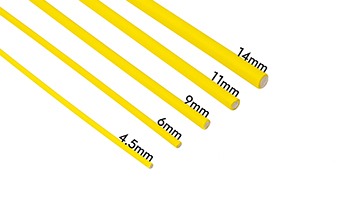
ROD DIAMETERS
Selecting the correct duct rod diameter is important for efficient cable installation. The size of the rod, and the frame size it is fitted to, affects how easily it can be pushed through a duct, how well it navigates bends, and the distance it can travel before losing pushing strength.
A rod that is too small may buckle and be damaged during installation, particularly over longer runs. A rod that is too large may struggle to negotiate bends or restricted conduit systems. Choosing the right size helps ensure cables, draw ropes or inspection equipment can be installed smoothly and safely.
Cobra fibreglass duct rods are available in a range of diameters from 4.5 mm to 14 mm, allowing installers to select the most suitable rod for the duct size, installation distance and type of cable being installed.
Cobra Duct Rod Sizes Explained (4.5mm - 14mm)
Different rod diameters provide different levels of flexibility and pushing strength. Smaller rods are more flexible and suited to tight ducting systems, while larger rods offer greater rigidity for longer runs and heavier installations.
4.5 mm – 6 mm Duct Rods
Smaller diameter rods are designed for applications where flexibility is important.
![Spare Rod 4.5mm [sku] MIDCO***S4.5](https://cobraductrods.com/wp-content/uploads/2023/06/Midi-Cobra-Rod-Category-Image-300x300.jpg) Typical uses include:
Typical uses include:
- Small conduit systems
- Internal trunking
- Fibre optic cable installation
- Short cable runs
- Installations with multiple bends
These rods are able to navigate tighter bends and restricted ducting more easily than larger rods.
MINI COBRA RODDING SYSTEM 4.5mm MIDI COBRA RODDING SYSTEM 6mm
7 mm – 9 mm Duct Rods
This range is commonly used for general cable installation work and provides a balance between flexibility and pushing strength.
![Spare Rod 9mm [sku] MEDCO***S9](https://cobraductrods.com/wp-content/uploads/2023/06/Medi-Cobra-Rod-Category-Image-300x300.jpg) Typical applications include:
Typical applications include:
- Standard telecommunications ducting
- Installing draw ropes for cable pulling
- Medium length duct runs
- General conduit systems
These rods are often suitable for many everyday cable installation tasks where both flexibility and strength are required.
MEDI COBRA RODDING SYSTEM 9mm MAXI COBRA RODDING SYSTEM 9mm
11 mm Duct Rods
Larger diameter rods provide increased rigidity, making them suitable for longer duct runs and more demanding installations.
![Spare Rod 9mm [sku] MAXCO***S9](https://cobraductrods.com/wp-content/uploads/2023/06/Maxi-Cobra-Rod-Category-Image-300x300.jpg) Typical applications include:
Typical applications include:
- Larger underground duct systems
- Longer cable installation runs
- Heavier cables
- Civil engineering and infrastructure projects
These rods offer improved pushing strength, helping installers maintain control over longer distances.
MAXI COBRA RODDING SYSTEM 11mm MAXI COBRA HIGH CAPACITY RODDING SYSTEM 11mm
14 mm Heavy Duty Rods
The largest rods in the Cobra range are designed for heavy-duty installations where maximum pushing strength is required.
![High Capacity Spare Rod 11mm [sku] MAXCOHC***S11](https://cobraductrods.com/wp-content/uploads/2023/06/Maxi-HC-Cobra-Rod-Category-Image-300x300.jpg) Typical uses include:
Typical uses include:
- Long underground duct runs
- Large diameter duct systems
- Heavy cable pulling
- Infrastructure and utilities installations
These rods prioritise rigidity and strength to allow installers to push further through demanding duct routes.
MAXI COBRA RODDING SYSTEM 14mm MAXI COBRA HIGH CAPACITY RODDING SYSTEM 14mm
Factors That Determine the Right Duct Rod Size
Several factors influence which duct rod diameter is most suitable for a particular installation.
Duct Diameter
The rod must fit comfortably within the duct while still allowing enough clearance to move through bends and changes in direction. Smaller ducts generally require smaller rods, while larger ducts can accommodate rods with greater diameter.
Length of the Cable Run
Longer installation runs require rods with greater pushing strength. Larger diameter rods are more rigid and are therefore better suited to pushing longer distances through underground duct systems.
Number of Bends in the Duct
The number and severity of bends within a duct route can influence rod selection. Installations with multiple bends or tighter curves often benefit from smaller, more flexible rods that can navigate changes in direction more easily.
Type of Cable Being Installed
The weight and type of cable being installed can also affect the choice of rod diameter.
Examples include:
- Fibre optic cables
- Power cables
- Installing draw ropes prior to cable pulling
- Heavier cables may require rods with greater strength to allow controlled pulling
Detection Requirements
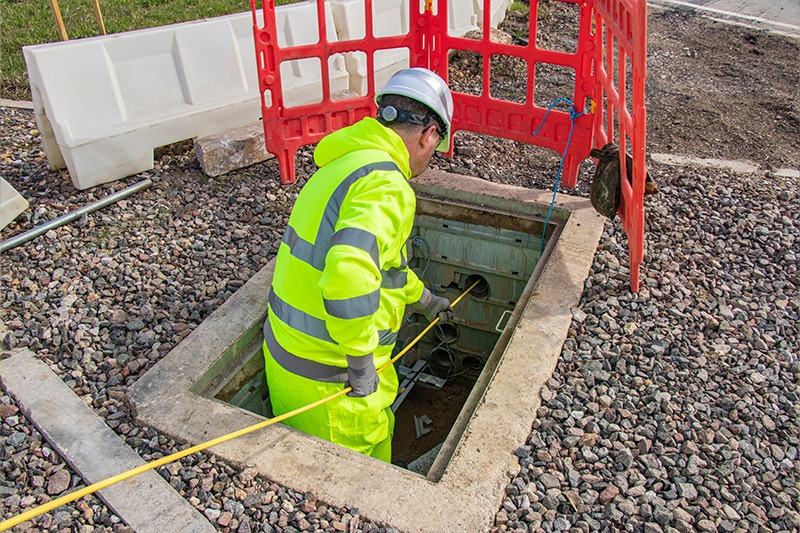
Some installations require the rod to be located from above ground during installation. In these situations, Ritelite's Quicktrace or Flexitrace traceable duct rods with integrated copper cores can be used in conjunction with signal generators and cable locating equipment to identify the position of the rod within the duct.
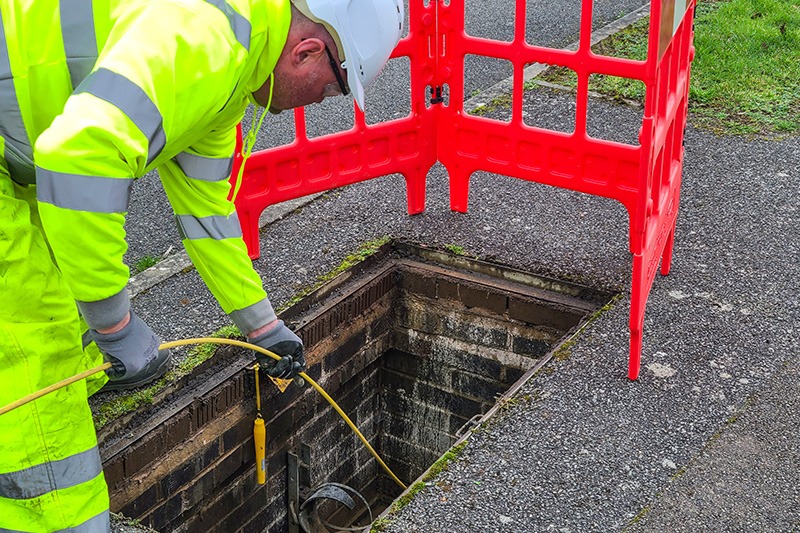
Flexibility vs Pushing Strength
When selecting a duct rod, installers often need to balance flexibility and pushing strength.
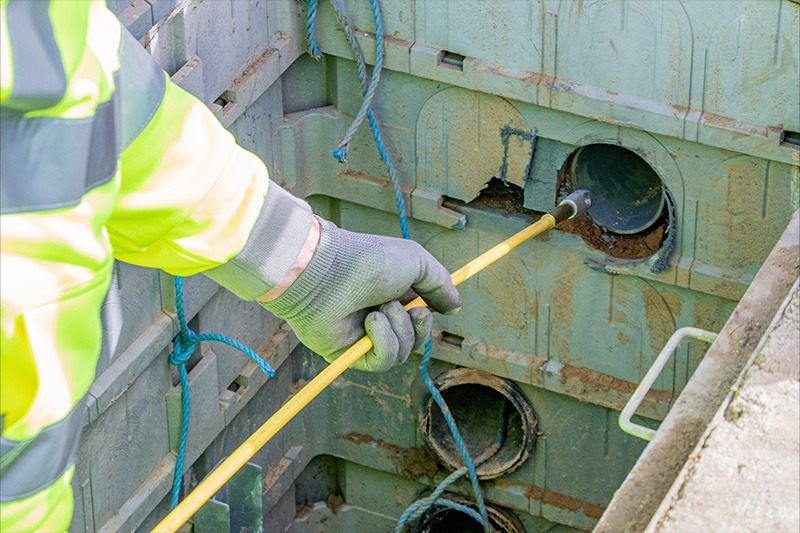
Smaller diameter fibreglass rods offer greater flexibility, making them easier to guide through tight bends and restricted conduit systems.
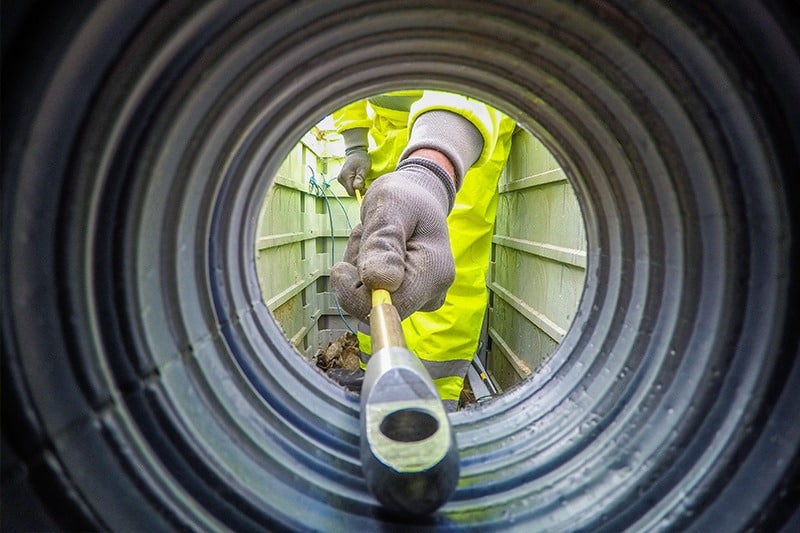
Larger rods provide increased rigidity, allowing installers to push longer distances through underground ducting without the rod buckling or losing control.
Understanding this balance helps ensure the correct rod is chosen for the specific conditions of the installation.
Common Mistakes When Choosing a Duct Rod
Choosing the wrong rod size can make installations more difficult and increase the risk of delays.
Common mistakes include:
- Selecting a rod that is too small for long duct runs
- Choosing an overly rigid rod for ducts with multiple bends
- Underestimating the weight of the cable being installed
- Not considering whether traceable rods may be required
Taking the time to assess the duct route, cable type and installation distance can help ensure the correct equipment is used.
Choosing the Right Cobra Duct Rod
Cobra duct rods are engineered for professional cable installation across telecommunications, utilities, construction and infrastructure sectors.
With rod diameters ranging from 4.5 mm to 14 mm and a variety of frame configurations available, installers can select a system that matches the specific requirements of their project.
Selecting the correct rod diameter and frame combination helps ensure the rodding system performs effectively while maintaining control during installation.
Quick Guide to Duct Rod Sizes
| Installation Type | Typical Rod Size |
| Small conduit or tight bends | 4.5–6 mm |
| Standard telecom ducting | 7–9 mm |
| Larger ducts or longer runs | 9–11 mm |
| Heavy duty infrastructure installations or large duct blockages | 14 mm |
Frequently Asked Questions
What is the most common duct rod size?
For many general cable installation tasks, rods between 6 mm and 11mm are commonly used as they offer a balance between flexibility and pushing strength.
What size duct rod is best for fibre optic installation?
Fibre optic installations often use smaller rods, typically 4.5 mm to 6 mm, particularly where conduit systems are smaller or contain multiple bends.
Can a smaller rod be used in a larger duct?
While smaller rods may fit within larger ducts, they may lack the pushing strength required for longer runs. In these situations, a larger rod diameter may provide better control.
How far can a duct rod be pushed?
The distance a rod can be pushed depends on several factors including rod diameter, duct condition, number of bends and the weight of the cable being installed. Larger rods generally allow longer pushing distances due to their increased rigidity.
When should traceable duct rods be used?
Traceable rods are used when the position of the rod needs to be detected from above ground. This is common in utilities work where route location or blockage identification is required.